
Premium
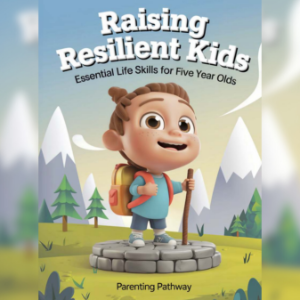
Raising Resilient Kids: Essential Life Skills for Five-Year-Olds
1/19/2025
Introduction: The Journey of Building Life Skills in 5-Year-Olds
1/19/2025
Why Life Skills Matter at Age Five
1/19/2025
The Power of Emotional Awareness
1/19/2025
Routines: A Foundation for Independence
1/19/2025
Creating a Path for Success
1/19/2025
Chapter 1: Social and Emotional Foundations
1/19/2025
The Importance of Social and Emotional Skills
1/19/2025
Sharing and Taking Turns
1/19/2025
Expressing Emotions: "Use Your Words"
1/19/2025
Empathy and Understanding Others
1/19/2025
Handling Conflict: Learning to Resolve Differences
1/19/2025
Conclusion: The Foundation of Future Success
1/19/2025
Chapter 2: Building Communication Skills
1/19/2025
The Power of Clear Speech
1/19/2025
Listening and Understanding: The Other Side of Communication
1/19/2025
Asking Questions and Encouraging Curiosity
1/19/2025
Handling Interruptions: Teaching Patience in Conversation
1/19/2025
Nonverbal Communication: Understanding Body Language
1/19/2025
Conclusion: Communication as a Lifelong Skill
1/19/2025
Chapter 3: Cognitive and Problem-Solving Development
1/19/2025
Developing Problem-Solving Skills: From Play to Practical
1/19/2025
Basic Counting and Numbers: Building Mathematical Thinking
1/19/2025
Sorting and Categorizing: Learning to Organize Information
1/19/2025
Understanding Cause and Effect: Developing Logical Thinking
1/19/2025
Following Multi-Step Directions: A Critical Skill for Independence
1/19/2025
Memory Recall: Building Cognitive Flexibility
1/19/2025
Encouraging Cognitive Growth Through Play
1/19/2025
Conclusion: The Foundation of Cognitive Development
1/19/2025
Chapter 4: Practical Life Skills for Everyday Independence
1/19/2025
Basic Hygiene: Building a Foundation for Self-Care
1/19/2025
Getting Dressed: Fostering Independence Through Daily Routines
1/19/2025
Using the Toilet Independently: An Essential Life Skill
1/19/2025
Tidying Up: Teaching Responsibility Through Clean-Up Time
1/19/2025
Basic Table Manners: Fostering Respect and Social Skills
1/19/2025
Recognizing Safety Rules: Building Awareness of Personal Safety
1/19/2025
Chores and Responsibility: Building a Sense of Contribution
1/19/2025
Conclusion: Independence Through Practice and Patience
1/19/2025
Chapter 5: Gross and Fine Motor Skills Development
1/19/2025
Developing Gross Motor Skills: The Joy of Movement
1/19/2025
Fine Motor Skills: Mastering the Details
1/19/2025
Self-Feeding: A Milestone in Independence
1/19/2025
Developing Hand-Eye Coordination: From Play to Practical Skills
1/19/2025
Fine Motor Skills and Academic Success: The Link to Learning
1/19/2025
The Emotional Impact of Motor Skill Development
1/19/2025
Supporting Motor Skill Development at Home
1/19/2025
Conclusion: The Power of Movement and Mastery
1/19/2025
Chapter 6: Safety Awareness and Responsibility
1/19/2025
Teaching Road and Traffic Safety: Stop, Look, and Listen
1/19/2025
Understanding Personal Safety: Boundaries and Strangers
1/19/2025
Home Safety: Avoiding Hazards and Learning Responsibility
1/19/2025
The Importance of Following Rules: Understanding Consequences
1/19/2025
Chores and Responsibility: Learning to Contribute
1/19/2025
Instilling Responsibility in Play: Using Equipment Safely
1/19/2025
Fostering Emotional Safety: Creating a Safe Space for Feelings
1/19/2025
Teaching Responsibility for Others: Compassion and Empathy
1/19/2025
Conclusion: Safety and Responsibility as Life Skills
1/19/2025
Chapter 7: Encouraging Cooperation and Responsibility
1/19/2025
Teaching Cooperation: Working Together as a Family
1/19/2025
The Power of Sharing: Building Empathy and Trust
1/19/2025
Encouraging Responsibility Through Simple Chores
1/19/2025
Teamwork in Play: Learning to Work Together
1/19/2025
Teaching Conflict Resolution: Solving Problems Together
1/19/2025
Building a Sense of Contribution: The Importance of Responsibility
1/19/2025
Instilling Responsibility for Others: Learning Empathy and Care
1/19/2025
Conclusion: Cooperation and Responsibility as Cornerstones of Social Development
1/19/2025
Chapter 8: Managing Transitions and Building Routines
1/19/2025
Why Routines Matter: Creating Predictability and Stability
1/19/2025
Managing Daily Transitions: Handling Small Changes with Ease
1/19/2025
Handling Larger Transitions: Starting School or Major Life Changes
1/19/2025
Balancing Structure and Flexibility: Teaching Adaptability
1/19/2025
Creating Rituals to Ease Transitions
1/19/2025
Helping Children Manage Their Emotions During Transitions
1/19/2025
Conclusion: Building Confidence and Independence Through Routines and Transitions
1/19/2025
Chapter 9: Encouraging Curiosity and a Love for Learning
1/19/2025
The Power of Questions: Encouraging Exploration and Critical Thinking
1/19/2025
Fostering a Love for Nature: The Outdoors as a Classroom
1/19/2025
Creative Play: Using Imagination as a Learning Tool
1/19/2025
Books and Storytelling: Inspiring a Lifelong Love of Learning
1/19/2025
Everyday Learning Opportunities: Turning Ordinary Moments into Learning Experiences
1/19/2025
Conclusion: Nurturing a Lifelong Love of Learning
1/19/2025
Chapter 10: Emotional Regulation and Managing Big Feelings
1/19/2025
Recognizing and Naming Emotions: Building Emotional Awareness
1/19/2025
Validating Feelings: Letting Children Know It’s Okay to Feel
1/19/2025
Teaching Calming Strategies: Helping Children Regulate Their Emotions
1/19/2025
Modeling Emotional Regulation: Leading by Example
1/19/2025
Building Resilience Through Problem-Solving
1/19/2025
Conclusion: Developing Emotional Regulation for a Lifetime
1/19/2025
Chapter 11: Developing Friendships and Social Skills
1/19/2025
The Importance of Play: Building Social Skills Through Interaction
1/19/2025
Making and Maintaining Friendships: Learning the Basics of Relationships
1/19/2025
Navigating Conflict: Teaching Conflict Resolution Skills
1/19/2025
Empathy and Compassion: Building Emotional Connections with Others
1/19/2025
Encouraging Inclusive Play: Teaching Children to Be Open to Others
1/19/2025
Conclusion: Building Strong Friendships and Social Skills
1/19/2025
Chapter 12: Building Self-Confidence and Independence
1/19/2025
Encouraging Independence Through Everyday Tasks
1/19/2025
Providing Opportunities for Problem-Solving and Decision-Making
1/19/2025
Building Confidence Through Positive Reinforcement
1/19/2025
Encouraging Safe Risks: Letting Children Test Their Limits
1/19/2025
Teaching Self-Reliance: Encouraging Independent Problem-Solving
1/19/2025
Conclusion: Building a Strong Sense of Self-Confidence and Independence
1/19/2025
Chapter 13: Nurturing Creativity and Problem-Solving Skills
1/19/2025
Encouraging Imaginative Play: Fostering Creative Thinking
1/19/2025
Fostering Creativity Through Art and Expression
1/19/2025
Building Problem-Solving Skills Through Hands-On Activities
1/19/2025
Encouraging Curiosity and Asking Questions
1/19/2025
Supporting Creative Problem-Solving Through Challenges
1/19/2025
Conclusion: Nurturing Creativity and Problem-Solving Skills
1/19/2025
Chapter 14: Developing Responsibility and Accountability
1/19/2025
Introducing Responsibility Through Small Tasks
1/19/2025
Building Accountability Through Routine and Consistency
1/19/2025
Teaching the Consequences of Actions: Natural and Logical Consequences
1/19/2025
Encouraging Responsibility for Personal Belongings
1/19/2025
Modeling Responsibility and Accountability
1/19/2025
Conclusion: Developing Responsibility and Accountability
1/19/2025
Chapter 15: Teaching Patience and Delayed Gratification
1/19/2025
The Importance of Waiting: Using Everyday Moments to Teach Patience
1/19/2025
Using Games and Activities to Practice Delayed Gratification
1/19/2025
Explaining the Benefits of Delayed Gratification: The Long-Term Payoff
1/19/2025
Managing Frustration: Helping Children Cope with the Emotions of Waiting
1/19/2025
Using Rewards to Reinforce Patience and Self-Control
1/19/2025
Conclusion: Teaching Patience and Delayed Gratification
1/19/2025
Chapter 16: Fostering a Growth Mindset
1/19/2025
Praising Effort, Not Just Results
1/19/2025
Encouraging a Love of Learning: Emphasizing Curiosity Over Perfection
1/19/2025
Helping Children Embrace Mistakes as Learning Opportunities
1/19/2025
Modeling a Growth Mindset: Showing Children How to Embrace Challenges
1/19/2025
Encouraging Perseverance and Resilience: The Power of “Yet”
1/19/2025
Conclusion: Fostering a Growth Mindset for Lifelong Success
1/19/2025
Raising Resilient, Confident, and Capable Children
1/19/2025