Backyard SmokeMaster BBQ-logo

Backyard SmokeMaster BBQ

Food & Cooking Podcasts

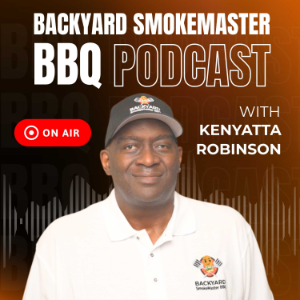
Backyard SmokeMaster BBQ supports the growing community of passionate backyard barbeque enthusiasts who are interested in learning about barbeque cooking techniques, grills, smokers, accessories and delicious recipes. On a whim, host Kenyatta Robinson...

Location:

United States

Description:

Backyard SmokeMaster BBQ supports the growing community of passionate backyard barbeque enthusiasts who are interested in learning about barbeque cooking techniques, grills, smokers, accessories and delicious recipes. On a whim, host Kenyatta Robinson posted a clip on YouTube after he asked his daughter to film the arrival of his long awaited custom-built 20″ offset smoker from Lone Star Grillz. Kenyatta was surprised by the number of questions received about the smoker so he created a follow-up video where he described the features of the stick burner and and explained why he was interested in learning how to make BBQ with one. The video was well received and the channel was born in earnest back in 2018.Since then Kenyatta has amassed a number of other grills and smokers and continues to make videos about them. This podcast is an extension of the YouTube channel and is designed to give listeners another way to share in Kenyatta’s insights about BBQ.

Language:

English

Contact:

5103637599


Episodes
Ask host to enable sharing for playback control

How To BBQ When You’re Away From Home

3/4/2026
One of the best things about BBQ is that it doesn’t have to stay in your backyard. Whether you’re headed to a tailgate, camping trip, beach day, or a vacation rental, your pitmaster skills are 100% portable — you just need the right gear and a little planning. In Episode 80 of the Backyard SmokeMaster BBQ Podcast, we broke down everything you need to know to barbecue on the road like a pro. Here’s what you need to know. Before You Pack: Key Things to Think About Before you throw a grill in the truck and hit the road, there are a few important things to consider: Portability — Think about the weight, size, and fuel source of whatever you’re bringing. The cooker that dominates your backyard might not be practical on a camping trip. Local fire and smoking regulations — This is a big one. Some parks, beaches, and municipalities have fire bans or restrictions on open flame. Always check before you go. Cooking capacity — The grill you travel with probably won’t have the same capacity as your setup at home. Plan your menu accordingly. Recipe simplicity — This isn’t the time to tackle a 16-hour brisket. Think quick, flavorful cooks that work in a more limited setup. Cleanup and ash disposal — Especially at campsites or public parks, be a good citizen. Know the cleanup rules and plan for easy ash disposal. Best Portable Grills and Smokers for Travel Here’s a rundown of some proven options to consider for your next trip: 1. Weber Smokey Joe (~$50) The classic choice. It looks and operates just like the iconic Weber kettle, just in a compact, affordable package. Perfect for burgers, hot dogs, and basic grilling. If you’ve cooked on a Weber kettle before, you’ll feel right at home — just adjust for the smaller cooking surface. 2. PK Go (~$380) Made from cast aluminum, the PK Go is built tough and designed with portability in mind — it’s literally in the name (Portable Kitchen). Like its bigger brother the PK 360, it’s great for dual-zone cooking. Add the GrillGrates ($125) for even more versatility, including high-heat searing. They also offer a compact foldable table and a carrying case — solid all-around package. 3. Traeger Ranger (~$480) If you want set-it-and-forget-it convenience on the road, a portable pellet grill is your answer. The Traeger Ranger gives you digital temperature control and consistent results — no fire management required. The tradeoff? You need access to power. If your campsite or rental doesn’t have an outlet, lean toward charcoal instead. 4. Ooni Karu (~$350 for the 12″) Known primarily as a pizza oven, the Ooni Karu can actually pull double duty as a high-heat searing machine for steaks. It runs on wood, charcoal, or gas depending on the model, gets up to extremely high temperatures quickly, and is compact and portable. The first-gen 12″ model is the sweet spot for travel — the Karu 2 Pro is great but at $1,100+, it’s probably staying home. 5. Nomad Grill and Smoker (~$700) The Nomad’s briefcase-style design makes it one of the most unique portable options out there. It’s built with dual die-cast aluminum cook boxes and up to 425 square inches of cooking space. The build quality is premium, and it does claim smoker capabilities — though it shines most as a direct-heat grill. 6. Weber Go-Anywhere (~$90) A solid budget-friendly rectangular grill that’s easy to pack and store. With a two-zone setup — fuel on one side, indirect on the other — you can actually do some light smoking on this thing. Great for a low-investment portable option. 7. SNS Grills Travel Kettle (~$160) At 18 inches, this is a step up from the Smokey Joe’s 14 inches — and that extra cooking space matters. SNS Grills is known for thoughtful accessories (hello, Slow ‘N Sear), and the thermometer placement is dialed in. A great value for a travel-focused charcoal grill. 8. Slot Grill (~$150) A newer discovery — this collapsible grill is clever, quick to assemble, and impressively compact. Worth keeping an eye on. Your...

Duration:00:54:50

Ask host to enable sharing for playback control

Pitmaster-Approved Survival Tips to Beat the Summer Heat While Grilling

2/10/2026
Summer is here in full force, and if you’re serious about your BBQ, the heat is not going to stop you from firing up the smoker. But grilling and smoking in extreme temperatures — we’re talking 90°, 96°, even 100°+ degree days — takes a little extra planning and a lot of common sense. In Episode 79 of the Backyard SmokeMaster BBQ Podcast, we broke down the best pitmaster-approved tips for staying safe, comfortable, and in control of your cook when summer heat is at its peak. Heads up — some links on this page are affiliate links. If you buy something through them, I may earn a small commission at no extra cost to you. Thanks for supporting Backyard SmokeMaster BBQ! Whether you’re out in the East Bay, battling the humidity of South Florida, surviving Palm Springs, or just making it work wherever you are, these tips will keep you grilling all summer long. 1. Stay Hydrated — This One Is Non-Negotiable The most important rule of summer BBQ? Drink water. Keep a bottle or jug of water right next to your station. A cooler stocked with ice water and sports drinks is even better. While we’re not going to stop you from cracking a cold one (the community made it very clear that “grill master libations are a must”), alcohol alone won’t keep you hydrated during a long cook. Prioritize the water and sports drinks, especially in humid climates where the heat drains your energy faster. 2. Use Cooling Towels (Or Make Your Own) Cooling towels are an underrated piece of summer BBQ gear. You can pick them up at most outdoor or sporting goods stores, and they’re designed to stay cool against your skin for extended periods. No cooling towel on hand? Soak a regular towel in cold water and take it outside with you. It’s a simple fix that makes a real difference during those long cooks. 3. Take Breaks in the Shade Don’t be a hero. If you’re not actively tending the fire, get out of direct sunlight. Set up a chair, stool, or lawn chair in the shade — under a tree, a patio cover, or a canopy. Staying in the sun the entire duration of a brisket or pork butt cook will sap your energy and make the whole experience miserable. A little shade goes a long way. 4. Create a Comfortable Cook Zone This isn’t about two-zone cooking — it’s about a comfortable zone for you. Set up a canopy or patio umbrella near your smoker. Add a standing fan or a battery-powered misting fan (community members had great things to say about the EGO battery-powered misting fan, which uses the same rechargeable batteries as EGO lawn tools). Make your outdoor cook station a place you actually want to be. 5. Control Your Fire — Heat Spikes Are Real When ambient temperatures are already sky-high, your fire can get away from you faster than you expect. Temperature spikes and flare-ups are more common on extremely hot days, so stay vigilant. A couple of tools that help: Water pans — Place them inside your smoker or grill to help stabilize internal temperatures. They act as a heat buffer and can prevent wild swings. Bricks — Especially useful in kamado-style grills and Weber kettles, bricks add thermal mass and help hold steady temperatures. Keep a closer eye on your temps than you normally would, and don’t assume your smoker is going to behave the same way it does on a 65-degree fall day. 6. Position Your Smoker in the Shade (If You Can) Direct sunlight beating down on your smoker adds extra heat to the outside of the cooker, which can affect internal temps and make it harder to maintain consistency. If your smoker is on wheels or easy to move, try to position it in a shaded area before your cook. Even partial shade can help. For those of us with multiple grills and smokers planted in one spot — this one takes a little extra effort, but it’s worth it. 7. Be Flexible With Your Cook Times Meat can cook significantly faster in extreme heat because the ambient temperature is already working in your favor — or against you, depending on how you look at it. Don’t...

Duration:00:41:50

Ask host to enable sharing for playback control

BBQ Myths Busted: What You Think You Know (But Don’t)

1/23/2026
Barbecue is full of traditions, rules of thumb, and “that’s just how it’s done” advice. Some of it is solid. A lot of it? Not so much. In this episode, we take a hard look at common BBQ beliefs — the ones many of us learned early on — and separate fact from fiction using real-world experience and food science. If you’ve ever wondered why certain BBQ advice never quite worked the way it was supposed to, this one’s for you. Myth #1: Soaking Wood Chips Improves Smoke Flavor This is one of the most common myths in barbecue. The truth: Soaked wood produces steam, not flavorful smoke. When wood chips are soaked: not If you want consistent, clean smoke, skip soaking and use dry wood chunks instead. They burn more predictably and give you better control over flavor. Myth #2: All Smoke Is Good Smoke Big clouds of smoke might look impressive, but they’re not what your food wants. The truth: Thin, blue smoke is ideal. Clean smoke: Thick white, gray, or brown smoke often leads to bitter food. Smoke should be treated like an ingredient — if it looks dirty, it probably tastes that way too. Myth #3: Charcoal Is Always Better Than Gas This one surprises a lot of people. The truth: It’s not charcoal vs. gas — it’s about heat type and wood smoke. What really matters: Infrared heatorWood High-quality gas grills with infrared burners can produce excellent searing and flavor. Charcoal’s main role is heat; wood is what provides smoke flavor. Myth #4: You Should Only Flip Steak Once This advice gets repeated constantly — and it’s outdated. The truth: Frequent flipping cooks meat more evenly. Flipping more often: This applies especially when finishing with a reverse sear. Myth #5: You Need a Binder for Rubs to Stick Mustard, mayo, oil — everyone has an opinion. The truth: A binder is optional, and water works just fine. Binders: notnot If your meat is moist, rub will stick. Simple as that. Myth #6: Fat Penetrates Meat During Cooking This one causes a lot of confusion, especially with brisket. The truth: Fat does not penetrate muscle. What actually matters: Internal marbling Leaving thick slabs of exterior fat does not make meat juicier. It can actually block seasoning and slow the cook unnecessarily. Myth #7: Beer Can Chicken Adds Flavor It looks fun, but that’s about it. The truth: Beer can chicken doesn’t steam the bird or add meaningful flavor. Instead: If you want juicy chicken, focus on temperature control and proper cooking — not gimmicks. Myth #8: Spritzing Adds Flavor Spritzing is everywhere on social media, but it’s often misunderstood. The truth: Spritzing mainly cools the meat. What spritzing can do: What it doesn’t do: Once bark is set, spritzing usually softens it. Use spritzing with purpose — not habit. Myth #9: Grill Marks Equal Better Flavor Those “tiger stripes” look great in photos, but… The truth: Full surface browning creates better flavor. A complete crust: Presentation is nice, but flavor wins. Myth #10: Cook Time Per Pound Is Reliable “How long will it take?” might be the most asked BBQ question. The truth: Thickness and internal temperature matter more than time. Time-per-pound rules: Thermometers — instant-read and leave-in — remove the guesswork and make better barbecue. Final Thoughts Barbecue gets easier when you stop chasing myths and start cooking with intention. Understanding: …will improve your results far more than following outdated rules. https://youtube.com/live/ZQyyCtPaFHs Want to Go Deeper with BBQ Like This? If you enjoy real-world BBQ conversations, myth-busting discussions, and learning how to cook with more confidence, come join the Backyard SmokeMaster Society. It’s a free community where backyard pitmasters share cooks, ask questions, and get better together. 👉 Join here: https://backyardsmokemaster.com/society

Duration:01:17:34

Ask host to enable sharing for playback control

Side Hustle: 5 Must-Have BBQ Side Dishes to Complete Your Feast

1/6/2026
When people talk barbecue, the spotlight almost always goes to the meat. Brisket. Ribs. Pulled pork. Sausage. And don’t get me wrong — the pit should get the glory. But great barbecue spreads don’t live or die by protein alone. The right side dishes bring balance, contrast, and comfort. They turn a plate of smoked meat into a complete feast and quietly elevate your reputation as a pitmaster. In this episode, we break down five must-have BBQ side dishes that work with just about any cook and are easy to execute alongside a smoker already running. 1. Smoked Mac and Cheese This is a crowd favorite for a reason. Smoked mac and cheese delivers: You can keep it classic or level it up with: The key is balance — you want smoke presence, not overpowering campfire flavor. 2. Sweet Corn (On or Off the Cob) Corn is one of the most underrated BBQ sides — and one of the easiest wins. Why it works: Grill or smoke it whole, then finish with seasoned butter. You can also cut it off the cob and dress it with: Simple. Bright. Reliable. 3. Smoked Baked Beans If you’re serving barbecue without baked beans, you’re leaving points on the table. Smoked baked beans: This is a perfect place to fold in: They’re forgiving, scalable, and almost always a hit. 4. Smoked Whole Potatoes This might be the most low-effort, high-reward side on the list. How it works: The result is a perfectly tender, lightly smoky potato that beats the oven every time. No prep. No fuss. Just timing. 5. Grilled or Smoked Vegetables Every BBQ spread benefits from color and freshness. Veggies also: Great options include: A little olive oil, salt, and smoke goes a long way. Bonus Side Dish Ideas Once you’ve got the essentials covered, consider mixing in something unexpected: These aren’t required — but they’re memorable. Final Thoughts Great pitmasters don’t just cook meat — they build plates. Strong side dishes: The next time you fire up the smoker, give your sides the same respect you give the protein. Your guests will notice. Want to Cook Smarter, Not Alone? If you want more BBQ ideas, real-world tips, and a place to talk barbecue without the noise of social media, join the Backyahttps://backyardsmokemaster.com/societyrd SmokeMaster Society. It’s a free community of backyard pitmasters sharing cooks, asking questions, and getting better together. 👉 Join here: https://backyardsmokemaster.com/society https://youtube.com/live/OfjytXS7ZL0
Ask host to enable sharing for playback control

Ribs 101: Everything You Need to Know for Fall-Off-the-Bone Flavor

1/6/2026
Ribs are one of the most rewarding cooks in barbecue — and also one of the easiest to overthink. Between different cuts, wrapping debates, cook times, and tenderness myths, it’s easy to get lost before you ever fire up the smoker. In this guide, I’m breaking ribs down into a simple, repeatable process. Whether this is your first rack or your fiftieth, this is everything you need to know to produce ribs that are tender, flavorful, and crowd-pleasing. 1. Choose the Right Ribs The first decision is what kind of ribs you’re cooking. Popular Rib Cuts Baby Back RibsSpare RibsSt. Louis–Style Ribs For beginners, St. Louis–style ribs are often the sweet spot. 2. Prep the Ribs Properly Good ribs start with good prep. Remove the Membrane Removing the membrane allows seasoning and smoke to penetrate and prevents a chewy texture. 3. Seasoning: Keep It Simple Ribs don’t need complicated seasoning to taste great. Binders (Optional) The binder doesn’t impact flavor much — it just helps the rub stick. Rub Options Ribs are thinner than brisket, so don’t oversalt. Even coverage is the goal. 4. Set Up the Smoker Ribs thrive in a steady, moderate heat environment. Target temperature:Wood choices: You don’t need heavy smoke. Ribs absorb flavor quickly. 5. Cooking the Ribs Place ribs bone-side down and let them cook undisturbed. 2.5–4 hours 6. Wrapping: When & Why Wrapping helps ribs tenderize and retain moisture. Common Wrap Options Butcher paperFoil (most common for ribs) Unlike brisket, foil works well for ribs because tenderness is usually the primary goal. Wrap when: 7. The Tenderness Test (Forget the Clock) Fall-off-the-bone ribs aren’t about internal temperature — they’re about feel. How to Tell They’re Done If they fight you, they’re not ready. 8. Sauce (Optional but Popular) Sauce is personal. Dry ribs and sauced ribs can both be excellent. 9. Rest the Ribs Ribs don’t need long rests like brisket, but they still benefit from a short pause. 10. Common Rib Mistakes to Avoid Too dry? Too tough? Mushy ribs? Final Thoughts Great ribs aren’t about chasing perfection — they’re about understanding the process. Once you learn how ribs respond to heat, time, and moisture, you can adjust for your own style and preferences. If you want ribs that consistently deliver fall-off-the-bone tenderness, focus on: https://youtube.com/live/d5uNuNgVSw4?feature=share If you want more hands-on BBQ guidance, real conversations, and a place to ask questions without the noise of social media, join the Backyard SmokeMaster Society. It’s a free community where backyard pitmasters connect, share cooks, swap tips, and learn together. Whether you’re smoking your first rack of ribs or dialing in your process, you don’t have to do it alone. 👉 Join here: https://backyardsmokemaster.com/society
Ask host to enable sharing for playback control

Brisket 101 – Everything You Need to Know to Get It Right

11/30/2025
If you’ve been thinking about tackling your first brisket — or if your last one didn’t hit the mark — this guide is for you. Brisket can feel intimidating. It’s a massive cut of meat, it takes patience, and there are a lot of opinions out there about how to do it “the right way.” In this post, I’m breaking down the actual fundamentals that matter. No fluff. Just a clear, simple checklist to help you smoke a great brisket from start to finish. 1. Choose the Right Brisket Your result starts with what you buy. Go for USDA Choice or Prime.WagyuWeight:Where to buy: More marbling means more rendered fat during the long cook — which is exactly what you want. 2. Prep Your Smoker Clean smoker = clean smoke. Before your brisket goes on: cleanOffset smokers:Charcoal smokers: The first several hours are when the brisket takes on the bulk of its smoke flavor, so clean smoke matters. 3. Trim the Brisket Trim the night before if you can. ¼-inch (Pro tip: Put the brisket in the freezer for 1 hour before trimming — it firms up the fat and makes trimming easier.) 4. Season the Brisket Keep it simple. Texas Classic: 5. Fat Side Up or Down? This one depends on your cooker. Fat Side Up Fat Side Down The fat acts as a shield. Keep the fat side facing the heat. 6. Maintain Steady Temperatures Low and slow usually means: 225–275°F1 hour per pound Use a good thermometer setup. Wireless probe systems like ThermoWorks RFX make monitoring easier. Insert your probe into the thickest part of the flat, since that portion finishes first. 7. The Stall & Wrapping Around 160–170°F internal temp, the brisket will “stall.” It stops climbing in temperature. You’ve got two choices: Option A: Ride it out Takes longer, but preserves bark beautifully. Option B: Wrap This helps power through the stall and protect the meat. Here’s the ranking: Butcher Paper – BEST Foil Boat Method – VERY GOOD Aluminum Foil – DO NOT USE Don’t wrap too early — make sure the bark is set before you wrap. 8. Test for Doneness Don’t cook brisket to a number; cook it to feel. 203–205°Fprobe test When it feels right, it’s done. 9. Rest the Brisket (Critical Step!) This is where many cooks ruin a great brisket. Let it rest: Minimum:Ideal:Overnight: Keep it wrapped, and rest it in: Cambrocooler warmed with hot water first Resting allows juices to redistribute and the meat to fully relax. 10. Slice Properly Always slice against the grain. pointflat.burnt ends This ensures every bite is tender. Troubleshooting Too Dry? Too Tough? and Soft Bark? Final Thoughts Brisket isn’t difficult — it just requires planning and patience. Once you understand trimming, seasoning, temps, wrapping, and resting, you’re 90% of the way there. If you want the Ultimate Brisket Mastery Checklist, you can grab it inside the Backyard SmokeMaster Society: 👉 https://backyardsmokemaster.com/brisket101 Watch the full episode https://youtube.com/live/XdW3CW_kvrM?feature=share Affiliate Disclosure: Some of the links in this post are affiliate links. If you make a purchase through them, I may earn a small commission at no extra cost to you. Thanks for supporting the website and helping me keep the BBQ fires burning!
Ask host to enable sharing for playback control

Turning Backyard Cooks Into Confident Pitmasters – My BBQ Radio Network Interview

10/24/2025
I recently had the pleasure of joining Freddie Bell on the BBQ Radio Network for a soulful conversation about my BBQ journey — from my early days experimenting with a Weber Smokey Mountain to building the Backyard SmokeMaster BBQ community. In this episode, we dive into what it really takes to grow from a weekend griller into a confident pitmaster. I share some of the lessons learned from my humble beginnings (including a friendly rib rivalry with my father-in-law!), the philosophy that guides my approach to barbecue, and why simplicity, patience, and grace are the key ingredients for great results. 🎙️ Highlights from the interview: Listen to the full episode below and hear the full story behind Backyard SmokeMaster BBQ. https://pocketcasts.com/podcast/bbq-radio-network/f3204540-a5e0-0138-e67d-0acc26574db2/backyard-pitmaster-kenyatta-robinsons-journey-from-costco-ribs-to-bbq-coach/599d4363-b063-42a4-ad3f-6658f961c8eb If the conversation inspires you to take your barbecue to the next level, join me inside the Backyard SmokeMaster Society — our free community for BBQ lovers — or become part of the Inner Circle to access exclusive BBQ Masterclasses, behind-the-scenes lessons, and live coaching sessions.

Duration:00:40:52

Ask host to enable sharing for playback control

Cut Like a Tremendous Pitmaster: 5 Must-Have Knives for Your BBQ Arsenal

10/12/2025
Every pitmaster knows the smoker gets all the glory — but your knives do the real heavy lifting. From trimming brisket to slicing ribs, a sharp, well-balanced knife makes everything cleaner, faster, and safer. In this episode of the Backyard SmokeMaster BBQ Podcast, Kenyatta breaks down the five must-have knives every backyard pitmaster needs — plus a bonus blade that might surprise you. Learn why a curved boning knife, brisket slicer, chef’s knife, cleaver, and paring knife each play a unique role in your BBQ workflow. You’ll also pick up tips on sharpening, using no-cut gloves, and even how to make bread knives and poultry shears part of your BBQ toolkit. 👉 Read more or listen to the full episode now to start cutting like a tremendous pitmaster.
Ask host to enable sharing for playback control

The Ultimate Guide To Upgrading Your Weber Kettle

10/5/2025
Thinking about getting a Weber Kettle or already have one and want to unlock its full potential? You're in luck! The Weber Kettle is a quintessential barbecue tool, and with the right accessories, you can transform your grilling experience from basic to extraordinary. The host of the Backyard Smoke Master Barbecue podcast, Kenyatta Robinson, recently shared his top picks for essential and game-changing upgrades for the Weber Kettle. Query successful Here is a blog entry based on the provided podcast transcript: The Ultimate Guide to Upgrading Your Weber Kettle Thinking about getting a Weber Kettle or already have one and want to unlock its full potential? You're in luck! The Weber Kettle is a quintessential barbecue tool, and with the right accessories, you can transform your grilling experience from basic to extraordinary. The host of the Backyard Smoke Master Barbecue podcast, Kenyatta Robinson, recently shared his top picks for essential and game-changing upgrades for the Weber Kettle. Basic Must-Have Accessories Before diving into advanced modifications, Kenyatta recommends a few fundamental accessories that every charcoal griller should own. Charcoal Baskets: Most Weber Kettles come with two charcoal baskets, which are invaluable for organizing your charcoal and managing temperature control. These baskets give you versatility and help you avoid a "raging hot fire". If your grill didn't come with them, or if you're looking for an upgrade, companies like Kick Ash make high-quality aftermarket baskets designed to maximize airflow. Chimney Starter: To get your fire started quickly and cleanly, a chimney starter is a must-have. Using a fire starter, like Royal Oak Tumbleweeds, is a great way to ignite the charcoal without resorting to lighter fluid, which can give your food a "nasty taste". Heat-Resistant Gloves: Safety is paramount when dealing with high temperatures. Good heat-resistant gloves are essential for protecting your hands, whether you're handling hot grates or moving charcoal. Long Tongs: Long tongs are crucial for handling food and stray pieces of charcoal safely. They also have the added benefit of making you look "official" while grilling. Instant-Read Thermometer: An instant-read thermometer is vital for ensuring your food is cooked to a safe internal temperature. Kenyatta recommends digital models for a quick and accurate reading. A Tool Caddy: Keeping your essential tools organized in a caddy makes it easy to grab everything you need at once. An Apron: A good apron is essential for protecting your clothes from grease and splatters. Game-Changing Mods and Upgrades Once you have the basics down, these next-level accessories can seriously enhance your Weber Kettle's capabilities. Slow 'N Sear: This is a charcoal basket with a built-in water reservoir that allows you to cook low and slow, or achieve a high-temperature sear. It's a "fantastic accessory" that adds incredible versatility to your kettle. The Vortex: Shaped like a funnel, the Vortex allows you to concentrate heat in one area for high-temperature searing or to create a two-zone cooking environment. Kenyatta loves using it to make "super crispy wings". Hinged Grates: Upgrading to a hinged grill grate makes it easy to add more fuel or wood chunks without having to remove the entire grate. Wireless Thermometers: For next-level temperature monitoring, a wireless thermometer is a great investment. Brands like Thermoworks and Fireboard offer probes that provide accurate internal and ambient temperature readings, which you can monitor from your phone or a separate display. Rotisserie Attachment: Weber makes a rotisserie attachment for the Kettle that works exceptionally well for things like chicken. Heat Deflectors: Using a heat deflector helps to stabilize temperatures for long, low-and-slow cooks. Weber offers a low and slow kit that includes a ring to contain charcoal and a heat deflec...

Duration:00:40:18

Ask host to enable sharing for playback control

Brine, Marinade, Or Inject? What Is Better For Your BBQ?

9/14/2025
When it comes to barbecue, the debate never ends—should you brine, marinade, or inject? Each method brings something different to the table. Brining boosts moisture and tenderness, marinades add quick surface flavor, and injections deliver deep seasoning in a flash. The “best” choice depends on your cut of meat, how much time you have, and the flavor you’re after.
Ask host to enable sharing for playback control

Can You Love Smoked Meat And Stay Healthy?

9/11/2025
Barbecue often gets a bad rap as being “unhealthy,” but the truth is—it doesn’t have to be. In this article, I share practical ways to enjoy smoked meat while keeping your health in check. From choosing lean cuts like chicken breast, turkey, and salmon, to balancing plates with grilled veggies and smoked sweet potatoes, you’ll see how BBQ can fit perfectly into a clean lifestyle. With portion control, mindful rub and sauce choices, and smart beverage swaps, smoked meat can fuel your body as much as it fuels your taste buds.
Ask host to enable sharing for playback control

The Truth About Pellets: How to Find the Best 100% Pure Wood for Smoking

9/11/2025
Pellet grills have made smoking more accessible than ever—but not all pellets are created equal. If you care about flavor, efficiency, and keeping your smoker running smoothly, it’s time to look deeper than what the label says on the bag. In this episode of the Backyard SmokeMaster BBQ Podcast, we dug into what makes a good smoking pellet, how to spot the not-so-good ones, and which brands you can actually trust. Why Pellet Quality Matters Sure, you can grab a cheap bag of pellets at your local big-box store, but here’s what most people don’t realize: Many “flavored” pellets (cherry, hickory, etc.) only contain a small percentage of that wood The rest is often made up of fillers like oak or alder Brands usually don’t disclose the exact ratio So while you think you’re getting 100% applewood, you might only be getting 20% apple and 80% oak. That can seriously affect both smoke flavor and performance. What Makes a Pellet Authentic? A high-quality pellet should be: Made entirely from the wood listed on the bag (no blends or fillers unless clearly stated) Food-safe (never use home-heating pellets) Low in moisture and dust Burn cleanly and consistently You want pellets that deliver flavor, efficiency, and low ash output—all signs of quality. Pitmaster-Proven Pellet Brands to Trust Here are some brands I’ve personally tested or consistently heard good things about: 🔥 Smokin' Pecan Made from 100% pecan shells Rich smoke flavor, low ash, long burn A bit pricier, but worth it ✅ Use code BACKYARDSMOKEMASTER at checkout to save 10% on your first order 🔥 Royal Oak 100% Charcoal Pellets New product: 100% compressed charcoal, not wood Surprisingly rich flavor for a pellet Ideal for folks who want that charcoal taste in a pellet grill 🔥 Lumber Jack Uses bark-on hardwood for more smoke intensity Offers both blended and 100% single-wood options 🔥 CookingPellets.com Longtime favorite in the BBQ world Offers pure hickory, cherry, and other trusted varieties 🔥 Bear Mountain Readily available (Home Depot, online) Some blends, some pure—but solid reviews across the board What to Avoid 🚫 Pellets labeled “blend” or “competition blend” without details 🚫 Heating pellets (meant for stoves, not food) 🚫 Bargain-brand pellets with no info about wood sources Also: Low-quality pellets = more ash, which can clog your firepot and trigger malfunctions mid-cook. Pro Tip: Read the Label & Do a Quick Search Before you buy a new brand: Check the label for wood type percentages Avoid vague wording Look up reviews or test results from trusted BBQ sites or YouTube channels Do Pellet Flavors Really Make a Difference? Short answer: yes—if the pellet is made with 100% of the wood it claims. The difference between 100% cherry pellets and a cherry/oak blend can be noticeable, especially in lighter meats like chicken or pork. And if you want to dial in even more smoke? Look for pellets with bark on (like Lumber Jack) or shell-based pellets (like Smokin' Pecan). Final Thoughts A pellet smoker is only as good as what you feed it. Quality pellets mean: Better flavor Fewer clogs and shutdowns Less cleanup More consistent cooks And while they might cost more upfront, good pellets pay for themselves by lasting longer and making your food taste better. https://youtube.com/live/UltbPPHEnj8?feature=share Want More Pro Tips? 🔥 Join the Backyard SmokeMaster Society and get plugged into a community that lives for flavor, fire, and fellowship. 🎧 Catch the full podcast episode on: Apple Podcasts Spotify Amazon Music
Ask host to enable sharing for playback control

Is Your Grill Ready? Here Is The Ultimate Spring BBQ Prep Guide

7/30/2025
Spring is in the air, and that means it’s time to shake off the cobwebs and fire up your grill. From deep cleaning and seasoning to stocking your essentials, this guide helps you get prepped for a new season of great barbecue.

Duration:00:32:09

Ask host to enable sharing for playback control

BBQ Gone Wrong, Epic Pitmaster Fails, and How to Fix Them

7/22/2025
Even seasoned pitmasters have BBQ fails—from over-salted ribs to chicken that just won’t crisp. In this article, we share real-life grilling disasters, what caused them, and simple fixes to help you recover fast and get back to cooking with confidence.

Duration:00:28:34

Ask host to enable sharing for playback control

From the Grill to the Heart: BBQ Love Stories

7/14/2025
Barbecue and love go hand in hand. In this heartwarming episode recap, Kenyatta and his wife Jeannine share how BBQ became part of their relationship—and offer up five grill-friendly date night meals that are perfect for Valentine’s Day or any romantic evening.

Duration:00:34:43

Ask host to enable sharing for playback control

Fire It Up – Your First Step Into Competition BBQ

7/14/2025
Thinking about getting into competition BBQ? Whether you’re eyeing your first local rib cook-off or aiming for KCBS Master Series, this article breaks down everything you need to know—from gear and timelines to what judges are really looking for.

Duration:00:36:49

Ask host to enable sharing for playback control

Should You Switch to a Gravity Smoker? Here’s What You Need to Know

7/13/2025
Thinking about upgrading your backyard BBQ setup? Gravity smokers offer real charcoal flavor with the convenience of set-it-and-forget-it cooking. In this article, Kenyatta Robinson breaks down how gravity smokers work, their biggest benefits, and whether they’re worth the investment for low and slow enthusiasts.

Duration:00:56:26

Ask host to enable sharing for playback control

The Art Of Consistent Barbecue: Todd Johns’ Secrets Revealed

6/29/2025
Discover the secrets to consistent, competition-worthy barbecue from your backyard. Learn the tips and techniques to elevate your grilling game and wow your guests.

Duration:00:32:14

Ask host to enable sharing for playback control

Is Now The Time To Buy An AI Powered Grill?

6/17/2025
Discover the secrets to perfectly smoked brisket with AI-powered techniques that outperform traditional methods. Learn the insider tips that will make you the neighborhood barbecue legend.

Duration:00:30:17

Ask host to enable sharing for playback control

Meathead Explains Why Science Makes Now The Golden Age Of BBQ

6/2/2025
Here is the Meta Description for this blog post: Master the perfect steak every time with the reverse sear method - the secret technique that Backyard Barbecue Pitmasters use to achieve mouthwatering results. Learn how to cook steaks to perfection in this must-read guide.

Duration:00:48:00