Location:
United States
Description:
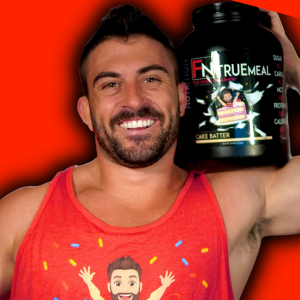
Owner of Fullerton Nutrition. Personal trainer helping people lose the unwanted fat off the body! Workouts fitness talk everything about losing weight and getting healthy.
Language:
English
Episodes
how to lose 80lb and keep it off 10 months later
4/27/2024
how to lose 80lb and keep it off 10 months later after 1on1 call
Duration:00:10:00
Stopping fat loss results
4/19/2024
WHat is stopping fat loss results
Duration:00:20:48
Height Los over Coffee Understand Protein Powder Whey
4/17/2024
what is whey protein what to look for in a protein added to products
Duration:00:10:37
down 125lb Update call
9/20/2023
New results!
Duration:00:08:18
optivia diet yikes 1on1 free call
9/19/2023
optivia diet yikes 1on1 free call
Duration:00:09:53
PCOS down 33Lb Month one!
9/15/2023
PCOS down 33Lb Month one!
Duration:00:12:26
off thyroid medication after free 1on1 call
9/7/2023
off thyroid medication after a free 1on1 call
Duration:00:13:19
48 inches down 1on1 call update
9/5/2023
48 inches down 1on1 call update
Duration:00:06:32
Fear of fat loss 1on1 call
9/5/2023
Fear of fat loss 1on1 call
Duration:00:09:24
Fat loss is simple
8/29/2023
Fat loss is simple
Duration:00:09:15
Are you Really Happy
8/27/2023
Are you Really Happy
Duration:00:09:59
Stop Giving a F@$& What People Think
8/23/2023
Stop Giving a F@$& What People Think
Duration:00:10:00
Food noise New excuse fat loss
8/21/2023
Food noise New excuse fat loss
Duration:00:08:57
Diets not working fat loss
8/17/2023
Diets not working fat loss
Duration:00:10:00
mounjaro ozempic lawsuit
8/17/2023
mounjaro ozempic lawsuit
Duration:00:08:16
Myth for losing body fat
8/15/2023
Myth for losing body fat
Duration:00:09:59
Sustain fat loss goals
8/10/2023
Embarking on a journey to achieve fat loss goals is a commendable endeavor that requires dedication, patience, and a well-structured plan. However, the real challenge lies not just in achieving those initial results, but in maintaining them over the long haul. Sustaining fat loss goals demands a holistic approach that encompasses lifestyle changes, mindset shifts, and consistent effort. In this blog post, we will delve into key strategies that can help you sustain your hard-earned fat loss achievements.
1. Set Realistic and Sustainable Goals
The foundation of sustaining fat loss goals starts with setting realistic and sustainable objectives. Aim for a steady weight loss of 1-2 pounds per week, as rapid weight loss often leads to rebound weight gain. Unrealistic expectations can demotivate you, so focus on making gradual progress that you can maintain over time.
2. Embrace a Balanced and Nutrient-Dense Diet
Transition from fad diets to a balanced and nutrient-dense eating plan. Incorporate a variety of whole foods such as lean proteins, colorful vegetables, whole grains, and healthy fats. Avoid extreme restrictions, as they can lead to cravings and binge-eating episodes. Strive for moderation and practice mindful eating to foster a healthy relationship with food.
3. Practice Portion Control
Portion control plays a pivotal role in sustaining fat loss. Use smaller plates and bowls, and pay attention to portion sizes. Mindlessly overeating, even on healthy foods, can hinder your progress. Learning to recognize true hunger cues and practicing mindful eating can help you stay on track.
4. Regular Physical Activity
Engage in regular physical activity that you enjoy. Find a mix of cardiovascular exercises, strength training, and flexibility routines. Consistency is key, so aim for at least 150 minutes of moderate-intensity aerobic activity or 75 minutes of vigorous-intensity aerobic activity per week, along with muscle-strengthening activities on two or more days per week.
5. Prioritize Sleep
Adequate sleep is often underestimated but is crucial for sustaining fat loss. Poor sleep can disrupt hormones that regulate appetite and metabolism, leading to weight gain. Aim for 7-9 hours of quality sleep per night to support your fat loss goals.
6. Build a Supportive Environment
Surround yourself with a supportive network of friends, family, or even online communities that share your health and fitness goals. Having a support system can provide motivation, accountability, and a sense of camaraderie. Share your achievements, setbacks, and challenges with them to stay focused on your journey.
7. Monitor Progress Wisely
Regularly track your progress, but avoid becoming obsessed with the scale. Other measures such as body measurements, progress photos, and how your clothes fit can provide a more comprehensive picture of your achievements. Celebrate non-scale victories to stay motivated and positive.
8. Manage Stress Effectively
Chronic stress can hinder fat loss efforts by elevating cortisol levels, which may lead to overeating and weight gain. Incorporate stress-reduction techniques such as meditation, deep breathing, yoga, or engaging hobbies into your routine to maintain a healthy balance.
9. Stay Hydrated
Hydration is often overlooked but is essential for maintaining optimal metabolism and controlling hunger. Aim to drink enough water throughout the day, and consider replacing sugary beverages with water or herbal tea to reduce calorie intake.
Sustaining fat loss goals is an ongoing commitment that requires a holistic approach encompassing nutrition, exercise, mindset, and lifestyle changes. By setting realistic goals, adopting a balanced diet, staying active, managing stress, and building a supportive environment, you can overcome challenges and maintain your hard-earned achievements for a healthier, happier you. Remember, the journey is as important as the destination, so embrace each step with determination and...
Duration:00:10:01
Iron deficiency
8/9/2023
Do you often find yourself feeling fatigued, weak, and unable to perform your daily activities with the same vigor as before? If so, you might be among the millions of people worldwide suffering from iron deficiency. Iron deficiency is a common nutritional concern that can significantly impact your overall well-being. In this comprehensive guide, we'll delve into what iron deficiency is, its causes, symptoms, and most importantly, how to improve it through dietary changes and lifestyle adjustments.
Understanding Iron Deficiency
Iron is an essential mineral that plays a crucial role in transporting oxygen throughout the body and facilitating the production of red blood cells. When your body doesn't have enough iron, it can lead to a condition called iron deficiency anemia, which can manifest as a range of symptoms, including:
Causes of Iron Deficiency
Several factors can contribute to iron deficiency, including:
Improving Iron Levels: Dietary Strategies
Fortunately, iron deficiency is treatable and preventable through dietary adjustments. Incorporating iron-rich foods into your meals can make a significant difference in your overall health and well-being. Here are some dietary strategies to consider:
Lifestyle Adjustments
In addition to dietary changes, certain lifestyle adjustments can aid in improving iron levels:
Conclusion
Iron deficiency is a common yet treatable condition that can have a significant impact on your quality of life. By making conscious dietary choices and incorporating lifestyle adjustments, you can effectively improve your iron levels and alleviate symptoms like fatigue and weakness. Remember, small changes today can lead to a healthier and more vibrant tomorrow. If you suspect iron deficiency, consult a healthcare professional for personalized guidance and support on your journey to better health.
Duration:00:08:59
Stress stopping fat loss
8/8/2023
In the journey toward achieving our health and wellness goals, we often focus on elements like diet and exercise. However, there's an often-overlooked factor that can significantly impact our progress: stress. The intricate relationship between stress, cortisol levels, and weight loss is a subject that deserves attention. In this blog post, we'll delve into the fascinating connection between stress, cortisol, and its effects on fat loss.
The Stress-Weight Loss Connection
Stress is a natural response to challenges, both physical and emotional. However, when stress becomes chronic and prolonged, it can wreak havoc on various aspects of our health, including our weight loss efforts. The connection between stress and weight gain is multifaceted, involving both psychological and physiological factors.
Emotional Eating: Stress can trigger emotional eating, where individuals turn to comfort foods as a way to cope with their feelings. These foods are often high in calories, sugars, and unhealthy fats, sabotaging weight loss efforts.
Hormonal Imbalance: Chronic stress leads to hormonal imbalances, particularly with cortisol – often referred to as the "stress hormone." Elevated cortisol levels can impact appetite regulation and metabolism, influencing weight gain, especially around the abdominal area.
Disrupted Sleep Patterns: Stress can disrupt sleep patterns, leading to inadequate sleep. Sleep deprivation, in turn, affects hunger hormones, leading to increased cravings for unhealthy foods and hindering weight loss progress.
The Cortisol-Fat Loss Connection
Cortisol is a hormone produced by the adrenal glands in response to stress. While it serves an essential role in the body's fight-or-flight response, chronic stress can lead to consistently elevated cortisol levels, contributing to weight gain and inhibiting fat loss.
Abdominal Fat Storage: High cortisol levels have been linked to the accumulation of visceral fat, which surrounds organs in the abdominal area. This type of fat is associated with an increased risk of metabolic disorders, cardiovascular diseases, and insulin resistance.
Muscle Breakdown: Elevated cortisol levels can lead to muscle breakdown, which is counterproductive for weight loss. Muscle tissue is metabolically active and burns more calories at rest than fat tissue, making it vital for maintaining a healthy metabolism.
Insulin Resistance: Prolonged stress can contribute to insulin resistance, where cells become less responsive to insulin, the hormone responsible for regulating blood sugar levels. Insulin resistance can lead to increased fat storage and hinder weight loss efforts.
Managing Stress for Effective Weight Loss
Understanding the impact of stress and cortisol on weight loss is crucial for developing a holistic approach to achieving your health goals. Here are some strategies to help manage stress and support fat loss:
Stress Management Techniques: Incorporate stress-reduction practices into your routine, such as meditation, deep breathing exercises, yoga, or mindfulness. These techniques can help lower cortisol levels and improve overall well-being.
Physical Activity: Engage in regular physical activity, as exercise has been shown to reduce stress and cortisol levels. It also promotes muscle preservation and fat loss.
Balanced Diet: Opt for a balanced diet rich in whole foods, lean proteins, healthy fats, and fiber. Avoid excessive sugar and processed foods that can contribute to hormonal imbalances.
Adequate Sleep: Prioritize getting enough sleep each night to support hormonal balance and reduce cravings.
Social Support: Maintain strong social connections to help cope with stress and emotional challenges.
The intricate relationship between stress, cortisol levels, and weight loss highlights the need for a comprehensive approach to achieving our health goals. Prioritizing stress reduction, healthy eating, exercise, and sleep can create a solid foundation for overall well-being and...
Duration:00:10:00
Calories in vs out for getting healthy fat loss
8/7/2023
Calories in vs out for getting healthy fat loss
Duration:00:07:34