TuneIn Logo
TuneIn Logo
Home
Search
Local Radio
Recents
Trending
Music
Sports
News & Talk
Podcasts
By Location
By Language
Sign In
Sign Up
Lilly Richardsen
Premium Audiobooks
Autoimmune & Chronic Diseases
The human body, an intricate symphony of biological processes, sometimes becomes its own most formidable adversary. In the complex realm of autoimmune and chronic diseases, the immune system—designed to protect—transforms into an unpredictable force...
Bacterial & Parasitic Infections
In the intricate landscape of human health, microscopic organisms wield a profound and often underestimated power to disrupt our biological systems. Bacterial and parasitic infections represent a complex realm of medical challenges, where silent...
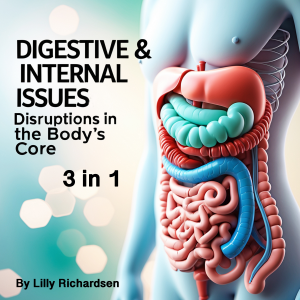
Digestive & Internal Issues
Within the human body's complex internal landscape, disorders of the digestive and related systems represent some of the most common yet frequently misunderstood challenges to health and wellbeing. From the violent gastric upheaval of viral infections...
HIV - AIDS
Receiving an HIV diagnosis can be life-altering, bringing a wave of emotions, uncertainties, and concerns about the future. Many individuals initially experience fear, confusion, or even denial, as the stigma surrounding HIV remains a significant...
HPV
Human Papillomavirus (HPV) is one of the most common viral infections worldwide, affecting millions of people regardless of age, gender, or background. Despite its prevalence, there remains a significant lack of awareness and understanding about the...
Legionella
Legionella is a type of bacteria that can cause a severe form of pneumonia known as Legionnaires' disease. The bacterium is found naturally in freshwater environments such as rivers and lakes, but it becomes a concern in man-made water systems....
Lupus
Lupus is a chronic autoimmune disease that can affect nearly every organ and tissue in the body. It occurs when the immune system, which is meant to protect the body from foreign invaders like bacteria and viruses, mistakenly attacks healthy tissues....
Lyme Disease
Lyme disease is an infectious illness primarily caused by the bacterium Borrelia burgdorferi, which is transmitted to humans through the bite of an infected black-legged tick, commonly known as the deer tick. The disease is named after Lyme,...
Malaria
Malaria is one of the world’s most enduring and devastating infectious diseases, with a history that spans thousands of years. It is caused by a parasite from the genus Plasmodium and transmitted to humans through the bite of infected female Anopheles...
Mastitis
Mastitis is an inflammation of the breast tissue that often results from an infection. It is a condition that primarily affects women, especially those who are breastfeeding, although it can also occur in non-lactating women and, in rare cases, men....
Meningitis
Meningitis is an inflammation of the protective membranes covering the brain and spinal cord, known as the meninges. It can be caused by various infectious agents, including bacteria, viruses, fungi, and parasites. The most common form is viral...
Neurological Disorders
In this comprehensive series, we delve into three distinct yet impactful health conditions that affect millions of individuals across the globe. Parkinson's Disease is a neurodegenerative disorder that primarily affects movement, leading to tremors,...
Norovirus
Norovirus, often referred to as the "Norwalk virus," is a highly contagious virus that causes gastroenteritis, characterized by inflammation of the stomach and intestines. It is recognized as the leading cause of viral gastroenteritis worldwide,...
Parkinson's Disease
Parkinson’s disease is a progressive neurological disorder that primarily affects movement. It develops when certain nerve cells in the brain, particularly those in the substantia nigra, deteriorate or die, leading to a decrease in dopamine...
Pneumonia
Pneumonia is a serious lung infection that affects millions of people worldwide, ranging from mild cases to life-threatening conditions. It occurs when the air sacs in one or both lungs become inflamed and fill with fluid or pus, making it difficult...
Rare & Severe Infections
Uncommon infections represent the frontiers of medical challenge, where diagnostic complexity, rapid progression, and severe outcomes converge to create some of the most daunting scenarios in clinical medicine. This comprehensive exploration delves...
Respiratory & Gastrointestinal Ailments
The human body is a marvel of intricate systems, where respiratory and gastrointestinal networks operate with remarkable complexity, silently defending us against countless potential threats. Yet, when these sophisticated biological mechanisms falter,...
Rhinophyma
Rhinophyma is a chronic and progressive skin condition that primarily affects the nose, causing it to become enlarged, red, and bulbous. Often associated with rosacea, rhinophyma is more commonly seen in individuals with a history of this inflammatory...
Rosacea
Rosacea is a chronic inflammatory skin condition that primarily affects the face, causing persistent redness, visible blood vessels, and, in some cases, pimple-like bumps. It is a common but often misunderstood disorder that can significantly impact a...
Salmonella
Salmonella is a genus of bacteria that plays a major role in human and animal health, causing a wide range of infections with varying degrees of severity. It is responsible for one of the most common foodborne illnesses worldwide, with millions of...
Scabies
Scabies is a highly contagious skin condition caused by the microscopic Sarcoptes scabiei mite. These mites burrow into the upper layer of the skin, where they lay eggs and trigger an allergic reaction, leading to intense itching and irritation....
Sciatica
Sciatica is a condition characterized by pain that radiates along the path of the sciatic nerve, which extends from the lower back down through the hips, buttocks, and legs. This pain typically affects only one side of the body and can range from mild...
Sexually Transmitted Infections
Beneath the surface of public health discourse lies a critical yet often overlooked reality—the silent spread of sexually transmitted infections that affect millions worldwide each year. Despite their prevalence and significant impact on reproductive...
Shigellosis
Shigellosis is a highly contagious bacterial infection caused by the Shigella species, which primarily affects the intestines and leads to symptoms such as diarrhea, fever, and stomach cramps. The disease spreads easily through direct person-to-person...
Shingles
Shingles, also known as herpes zoster, is a viral infection caused by the reactivation of the varicella-zoster virus (VZV), the same virus responsible for chickenpox. Once a person recovers from chickenpox, the virus remains dormant in nerve tissues...
See More