
Premium
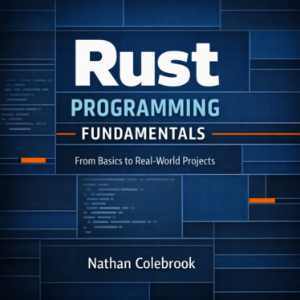
Title
1/9/2026
Introduction: Why Rust is the Future of Safe Systems Programming
1/9/2026
Part I: Foundations of Rust Programming
1/9/2026
Chapter 1: Getting Started with Rust
1/9/2026
Chapter 2: Basic Syntax and Variables
1/9/2026
Chapter 3: Control Flow and Decision Making
1/9/2026
Chapter 4: Functions and Modular Thinking
1/9/2026
Part II: Mastering Rust’s Core Mental Model
1/9/2026
Chapter 5: Ownership – Rust’s Revolutionary Memory Model
1/9/2026
Chapter 6: Borrowing and References
1/9/2026
Chapter 7: Structs, Enums, and Pattern Matching
1/9/2026
Part III: Building Robust and Real-World Applications
1/9/2026
Chapter 9: Error Handling – Failing Gracefully
1/9/2026
Chapter 10: Collections and Data Management
1/9/2026
Chapter 11: Modules, Crates, and Project Organization
1/9/2026
Chapter 12: File I/O and Working with the Outside World
1/9/2026
Chapter 13: Fearless Concurrency
1/9/2026
Chapter 14: Testing, Debugging, and Performance
1/9/2026
Chapter 15: Advanced Topics for Deeper Mastery
1/9/2026
Part IV: Real-World Rust in Action
1/9/2026
Chapter 16: Building a Command-Line Task Manager
1/9/2026
Chapter 17: Developing a Concurrent Log File Analyzer
1/9/2026
Conclusion: Becoming a Confident Rust Developer
1/9/2026
Ending Credits
1/9/2026