
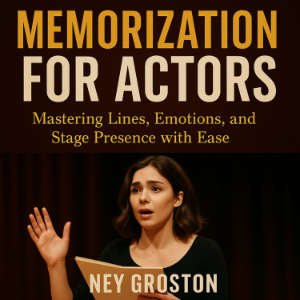
Premium
opening credits
1/2/2025
Introduction
1/2/2025
Why memorization is more than learning lines
1/2/2025
Common struggles actors face when memorizing scripts
1/2/2025
How this book can help you become a more confident performer
1/2/2025
The connection between memory, presence, and performance
1/2/2025
Chapter 1: How Memory Works for Actors
1/2/2025
Short-term vs long-term memory in performance
1/2/2025
Why repetition alone isn't always effective
1/2/2025
Emotional memory and its power on stage
1/2/2025
Building a brain that remembers under pressure
1/2/2025
Chapter 2: Preparing Your Mind and Environment
1/2/2025
Creating a distraction-free rehearsal space
1/2/2025
Techniques to boost concentration and recall
1/2/2025
The importance of sleep, nutrition, and hydration
1/2/2025
Mindful breathing to calm performance anxiety
1/2/2025
Chapter 3: Script Analysis as a Memorization Tool
1/2/2025
Understanding the character’s motivation and objectives
1/2/2025
Breaking the script into beats and units
1/2/2025
Making sense of the text before memorizing
1/2/2025
How intention helps lock in lines
1/2/2025
Chapter 4: Repetition with Purpose
1/2/2025
The difference between mechanical and active repetition
1/2/2025
Layered memorization: words, tone, gesture
1/2/2025
How to repeat without sounding robotic
1/2/2025
Finding rhythm and musicality in lines
1/2/2025
Chapter 5: Visualization and Mental Mapping
1/2/2025
Creating mental images to anchor dialogue
1/2/2025
Associating lines with physical movement
1/2/2025
Building a “memory palace” for your monologue
1/2/2025
Using space and location as memory triggers
1/2/2025
Chapter 6: Physical Techniques for Memory Retention
1/2/2025
Blocking and body memory
1/2/2025
Walking while learning lines: does it help?
1/2/2025
Embodied learning through rehearsal
1/2/2025
Using props and space as memory cues
1/2/2025
Chapter 7: Partner Work and Scene Rehearsal
1/2/2025
Practicing with a scene partner effectively
1/2/2025
Learning to listen, not just wait to speak
1/2/2025
How active listening improves recall
1/2/2025
Responding authentically while staying on script
1/2/2025
Chapter 8: Memorization on a Tight Schedule
1/2/2025
What to do when you have only 24-48 hours
1/2/2025
Prioritizing scenes and learning in chunks
1/2/2025
Emergency memorization strategies
1/2/2025
Balancing speed with accuracy
1/2/2025
Chapter 9: Overcoming Line Anxiety and Stage Fright
1/2/2025
Mindfulness techniques to stay calm
1/2/2025
Reframing “going blank” as a learning tool
1/2/2025
What to do when you forget on stage
1/2/2025
Building self-trust and mental flexibility
1/2/2025
Chapter 10: Keeping Lines Fresh Over Time
1/2/2025
How to avoid stale delivery in long runs
1/2/2025
Refreshing memory during a production run
1/2/2025
Daily warm-up drills for keeping lines sharp
1/2/2025
Staying emotionally connected to the material
1/2/2025
Conclusion
1/2/2025
Memorization is a skill, not a talent
1/2/2025
The actor’s memory is both muscle and art
1/2/2025
Trust your preparation, trust your instincts
1/2/2025
You are ready to bring the script to life
1/2/2025